Pages

Showing posts with label week 2. Show all posts

Monday, 26 December 2016

Week 2 Day 10 Activities By Ashleigh

Day 10 – School Days
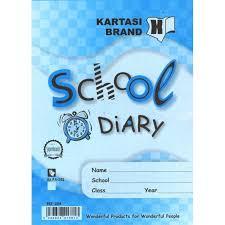
After meeting with the local family yesterday you are inspired to learn more about how people live in different countries. You and your family decide to go out and visit a local market. When you’re there you meet a student who tells you all about what it’s like to go to school in their country. The student also gives you a page from their diary that shows you what a typical school day is like for them.

http://dir.indiamart.com/delhi/school-diaries.htm
C:\Users\rwil313\Desktop\School Diary image.jpgHere is an example of a school diary for a student from Germany.
Time
Day 1
Day 2
8:00 - 8:45 a.m.
Math
German
8:45 – 9:30 a.m.
History
Religion
9:30 - 9:40 a.m.
Break
Break
9:40 -10:25 a.m.
English
Music
10:25-11:10 a.m.
English
French
11:10-11:30 p.m.
Break
Break
11:30 – 12:15 p.m.
Art
Physical Education
12:15- 1:00 p.m.
Science
Science

Activity 1
Think about your school and what you typically do in a day. Compare it with the diary from the German student. What is similar? What is different? In your blog, tell us:
  1. Whether you would rather go to school in New Zealand or in Germany - New Zealand
  2. Why you feel that way - Because we got more break time and we don't have that much blog to go through.
Activity 2
Think about your favourite subject at school. In your blog tell us:
  1. The name of your favourite subject- Breakthrough
  2. Why it is your favourite subject- Because you can get into your group make something together.
Bonus Activity
Once you have looked at the other school diary, it is time for you to make one of your own. What do you in a normal school day? Use the template below as a guide and post your own personal ‘Day in the Life of…’


http://www.wherethewildthingslearn.com/2014_01_01_archive.html

Bonus Blog = 5 points

Saturday, 24 December 2016

Week 2 Day 7 Activities By Ashleigh

Day 7 – It’s Time for Breakfast!
You made it safely to your hotel and feel fast asleep. You’ve now woken up and are ready to start your day. Before you start, however, you need to eat some breakfast. Imagine that you and your whanau have walked out of the hotel and into a restaurant across the street. At the restaurant you are offered a traditional breakfast meal. Scroll through the examples below to see a picture of what is commonly eaten in your country for breakfast.
Canada – Pancakes with maple syrup
C:\Users\rwil313\Desktop\Pancakes and maple syrup (updated).jpg
https://www.walldevil.com/385601-pancakes-with-butter-and-maple-syrup-wallpaper.html


Mexico – Chilequilas
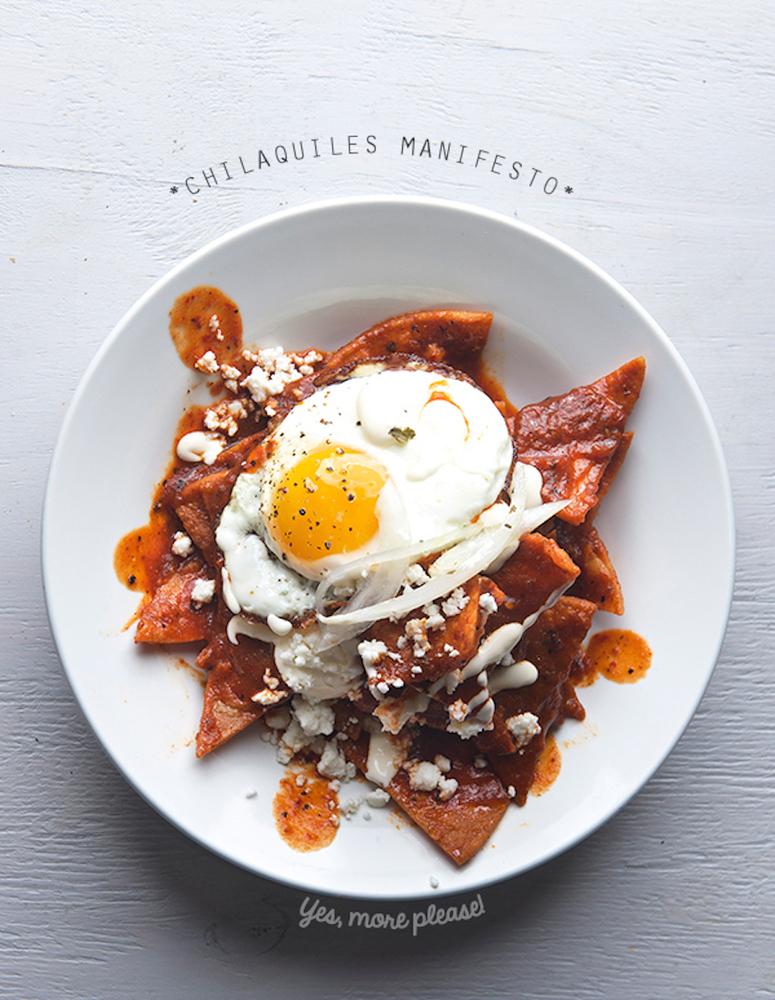
C:\Users\rwil313\Desktop\Chilequilas picture.jpghttp://www.huffingtonpost.com/2015/06/10/mexican-breakfast-recipes-real-good_n_7546956.html
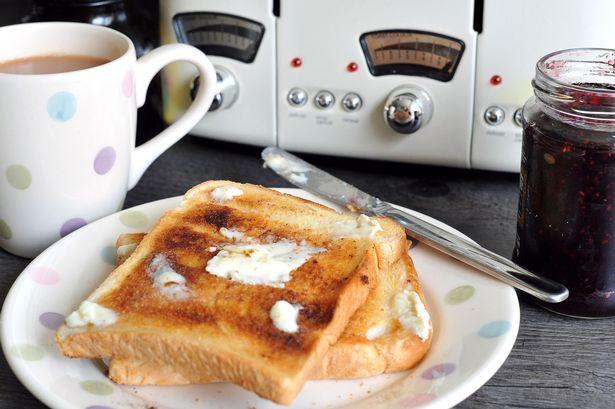
Chile – Sweet tea and buttered toast
C:\Users\rwil313\Desktop\Tea and toast (chile breakfast).jpg
http://www.walesonline.co.uk/news/wales-news/tea-toast-being-replaced-healthy-10905330
England – Full English Fry-Up
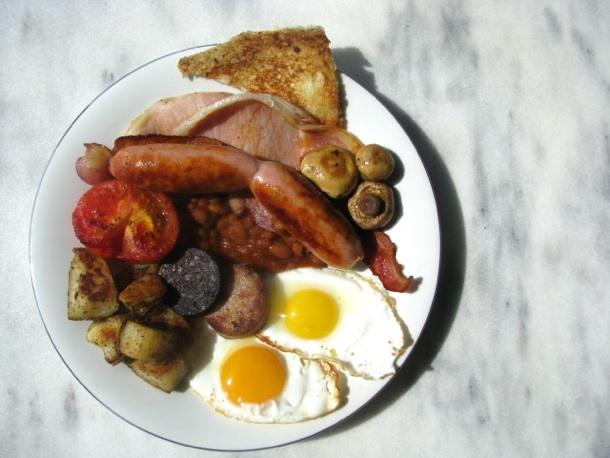
C:\Users\rwil313\Desktop\English fry up breakfast.jpghttp://www.seriouseats.com/2012/08/guide-to-a-fry-up-full-british-breakfast-what-is-in-ingredients.html
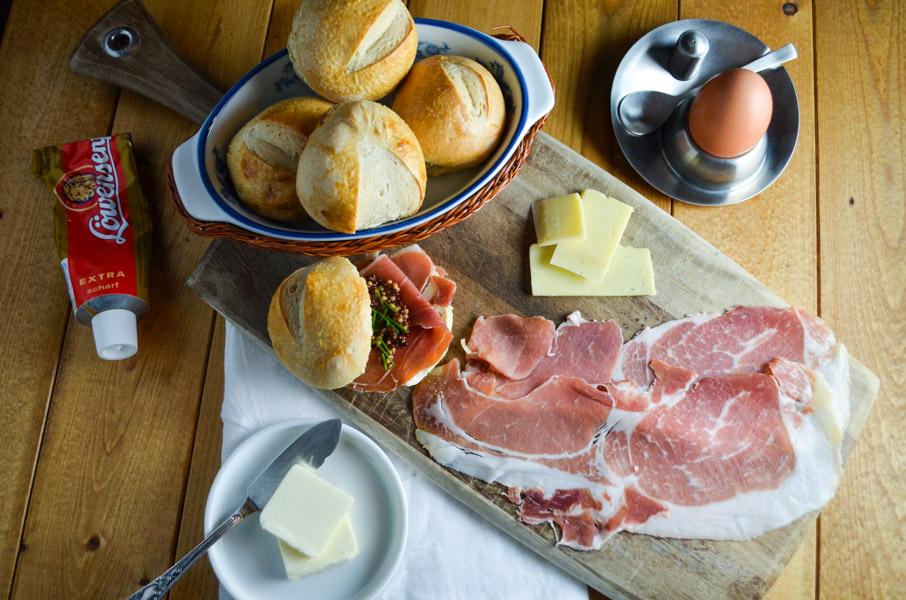
Germany – Brotchen (bread), cheese and salami platter
C:\Users\rwil313\Desktop\German breakfast foods.jpg
http://www.lexibites.com/tag/coffee/
United Arab Emirates – Chebab (Wrap)
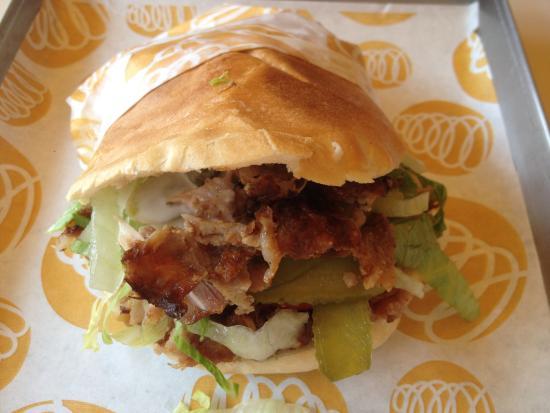
C:\Users\rwil313\Desktop\Chebab - UAE.jpghttps://www.tripadvisor.com/LocationPhotoDirectLink-g187849-d7092951-i129707934-Mariu_Kebabberia_Gastronomica-Milan_Lombardy.html
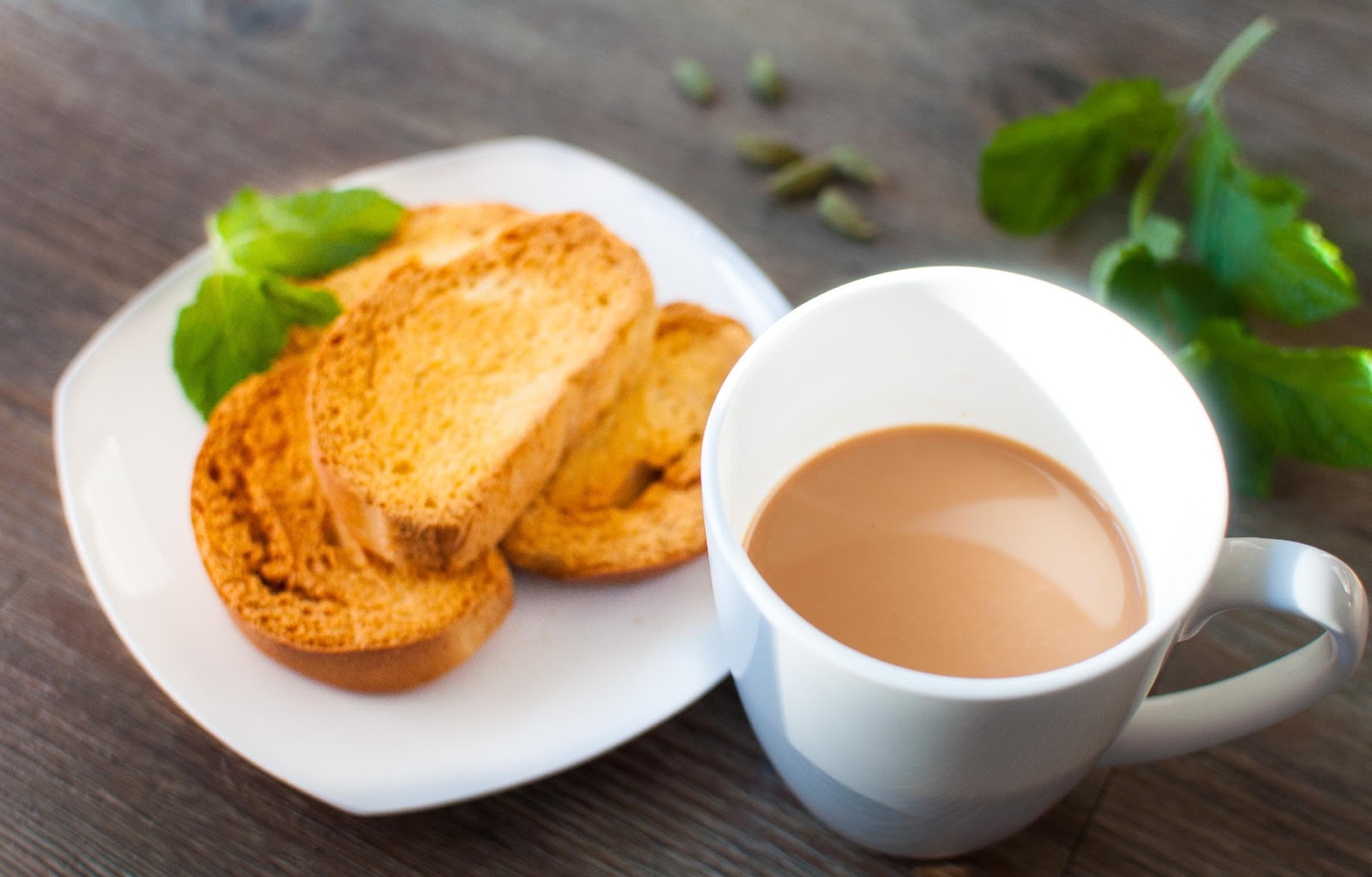
South Africa – Cup of tea and a rusk (hard bread)
C:\Users\rwil313\Desktop\Tea and rusk (SAfrica).jpg
https://mintychai.wordpress.com/2013/09/19/cardamom-mint-chai/
Japan – White rice, fish, meso soup and natto (fermented beans)
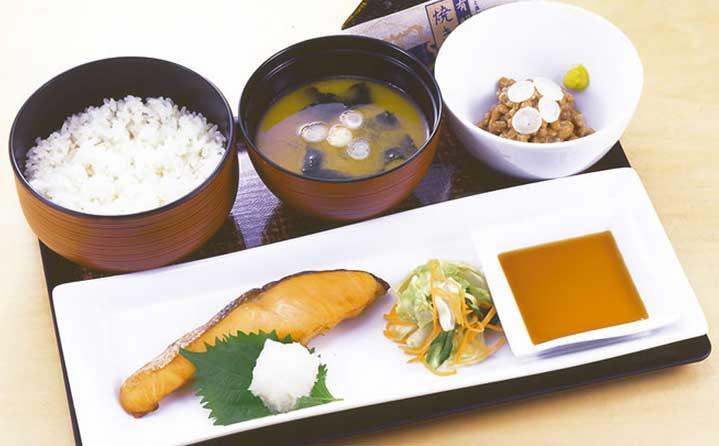
C:\Users\rwil313\Desktop\japanese breakfast.jpghttp://triplerin.com/2014/01/slappy-cakes-all-day-breakfast-in-tokyo.html
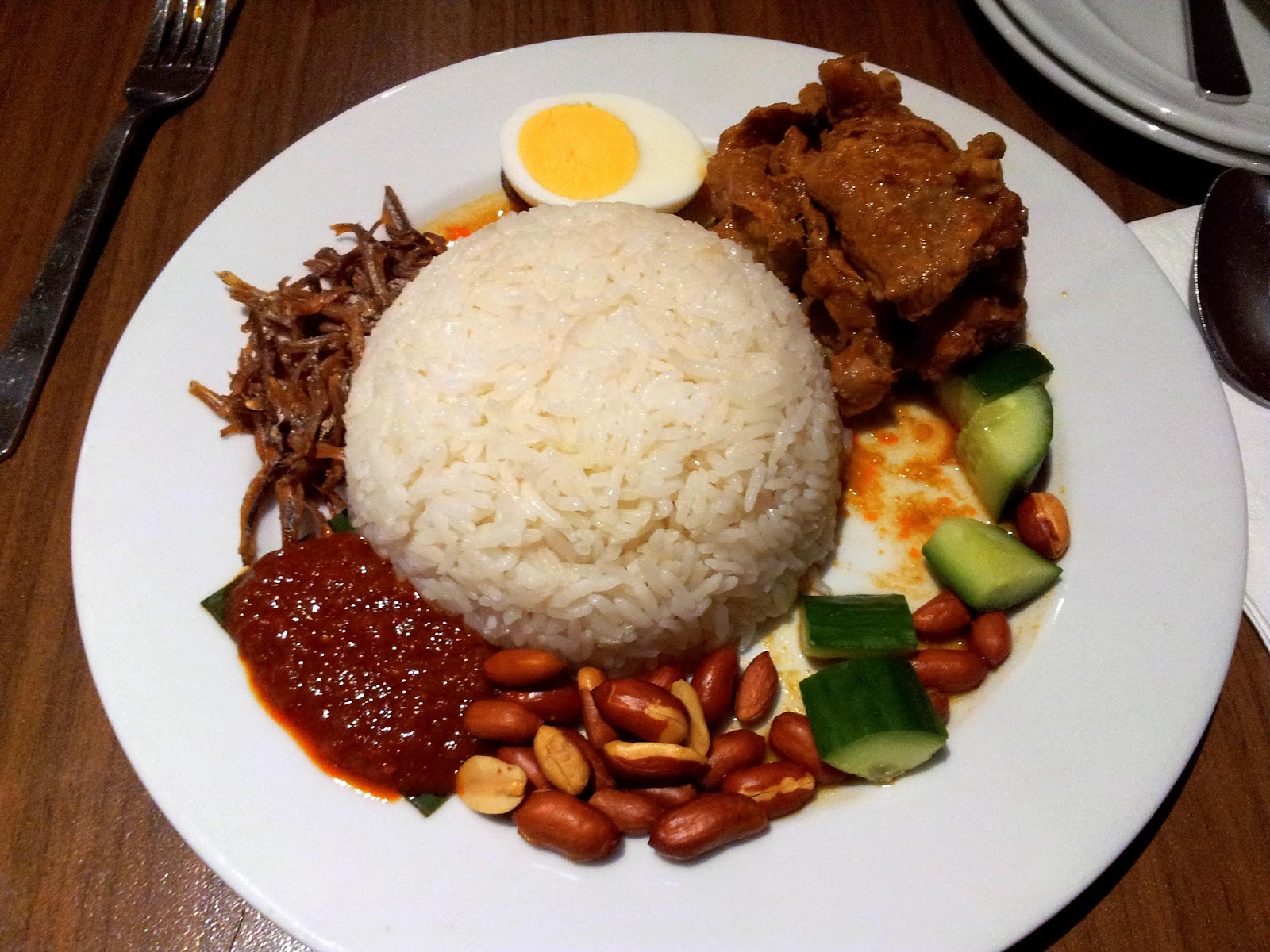
Malaysia – Nasi Lemak (rice, vegetables and meat)
C:\Users\rwil313\Desktop\nasi lemak pic.jpg
https://en.wikipedia.org/wiki/Nasi_lemak
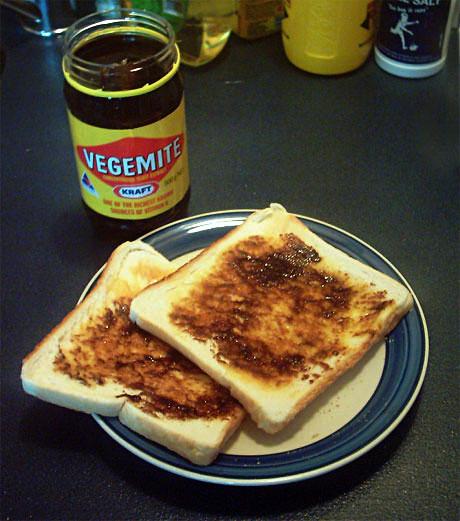
Australia – Vegemite on toast
C:\Users\rwil313\Desktop\Vegemite and toast.jpg
https://en.wikipedia.org/wiki/Vegemite
Activity 1
Compare the picture of common breakfast foods in the country you’ve chosen with what you typically eat for breakfast here in New Zealand. I usually have a bowl of sultana bran cereal with trim milk and a cup of tea. What about you? On your blog, please tell us:
1. What you eat for breakfast. I mostly eat a bread and a cup of hot chocolate
2. What people in your chosen country eat for breakfast
Chebab (Wrap)

3.Which of the two breakfast options (your breakfast or the breakfast in the other country) you prefer. Why do you prefer it?
I want to eat a bread a cup of hot chocolate, because it is nice and easy, and also I didn't eat much at the morning I mostly eat much at afternoon.

Activity 2
Some of the most famous foods to come out of New Zealand include kiwifruit, lamb, whitebait, oysters, tuatua (shellfish), kumara, bacon and egg pie, hokey pokey ice cream, lolly cake, anzac biscuits and pavlova. Take a picture of you (or someone you know!) eating one of these famous ‘kiwi’ foods. Post the picture to your blog. Underneath the picture tell us what they are eating.

Down below is me eating the ice cream


Bonus Activity
According to numerous researchers and fitness experts, breakfast is the most important meal of the day. They argue that people who eat breakfast will have more energy, be in a better mood, be able to think more clearly, do better at school and end up healthier than people who don’t eat breakfast.
Interestingly, not everyone agrees. In fact, some people believe that breakfast is not the most important meal of the day because people often eat too much food at breakfast time, gain weight and become unhealthy. They think that it is better to skip breakfast and eat a number of small meals later in the day.
After reading the arguments presented above, what do you think? Is breakfast the most important meal of the day? Why or why not?
I don't really agree, because most of the weekend I work up at 11:00 or 12:00 and I eat breakfast and luch together, and I am still healthy, every week day I eat a piece bread and a cup of hot chocolate, because I don't really fell hungry at the morning, and I still eat my morning tea and lunch normally, so that's why I don't really agree, and I think the purpose of eating breakfast is not making you hungry.
Bonus Activity = 8 points

Friday, 23 December 2016

Week 2 Day 6 Activities by Ashleigh

Week 2: Culture, Customs and Climate
This week you will be introduced to life in a new country. You will learn about the language, weather, family structure and school system in that country. You will then be invited to create and share your blogs with people currently living in each of these countries! To get started, take a look at the activities for Day 6 – Hola!
Day 6 – Hola!
Kia ora! G’day! Selamat! Guten Morgen! Hola! Welcome to the beautiful country of your choice. Before you leave the airport and go to your hotel, you will want to learn how to say hello in the language of your country. Look at the table below to learn basic words and phrases that you may need when you are travelling around the country.
English
Canada, United Kingdom, Australia
Spanish
Chile, Mexico
German
Germany
Malay
Malaysia
Japanese
Japan
Arabic
United Arab Emirates
Afrikaans
South Africa
Hello
Hola
Hallo
Hello
Kon'nichiwa
Marhabaan
Hallo
Thank You
Gracias
Danke
Terima kasih
Arigatogozaimas
Shukraan
Dankie
Do you speak English?
¿Habla usted Inglés?
Sprechen sie Englisch?
Adakah anda bercakap Bahasa Inggeris?
Eigo o hanasemasu ka?
Hal tatahaddath alanjlyzy?
Praat jy Engels?


Activity 1
Once you have read these phrases you will be ready to leave the airport and head to your hotel. Take a moment and imagine how you might feel if you were standing in the airport in a foreign country and you had to figure out how to communicate with people in a brand new language. Would you be scared? Would you feel confident? Write a short poem that describes how you might be feeling (i.e. excited, happy, scared, nervous, etc).

Today is the day I am going to Arab I felt excited about what I can explore during this journey,
Today is the day I am going to Arab, when I need to learn a new language nervous it is the feel that stuck in my mind, because I don't have any friend in Arab,
Today is the day I am going to Arab I am scare about I have to learn a brand new language,
Today is the day I am going to Arab happiness is a feel that I always have, because I am going to a new country that I have never been to!


Activity 2
Take a selfie that captures how you might be feeling. I think that I would most likely be feeling scared.


Bonus Activity
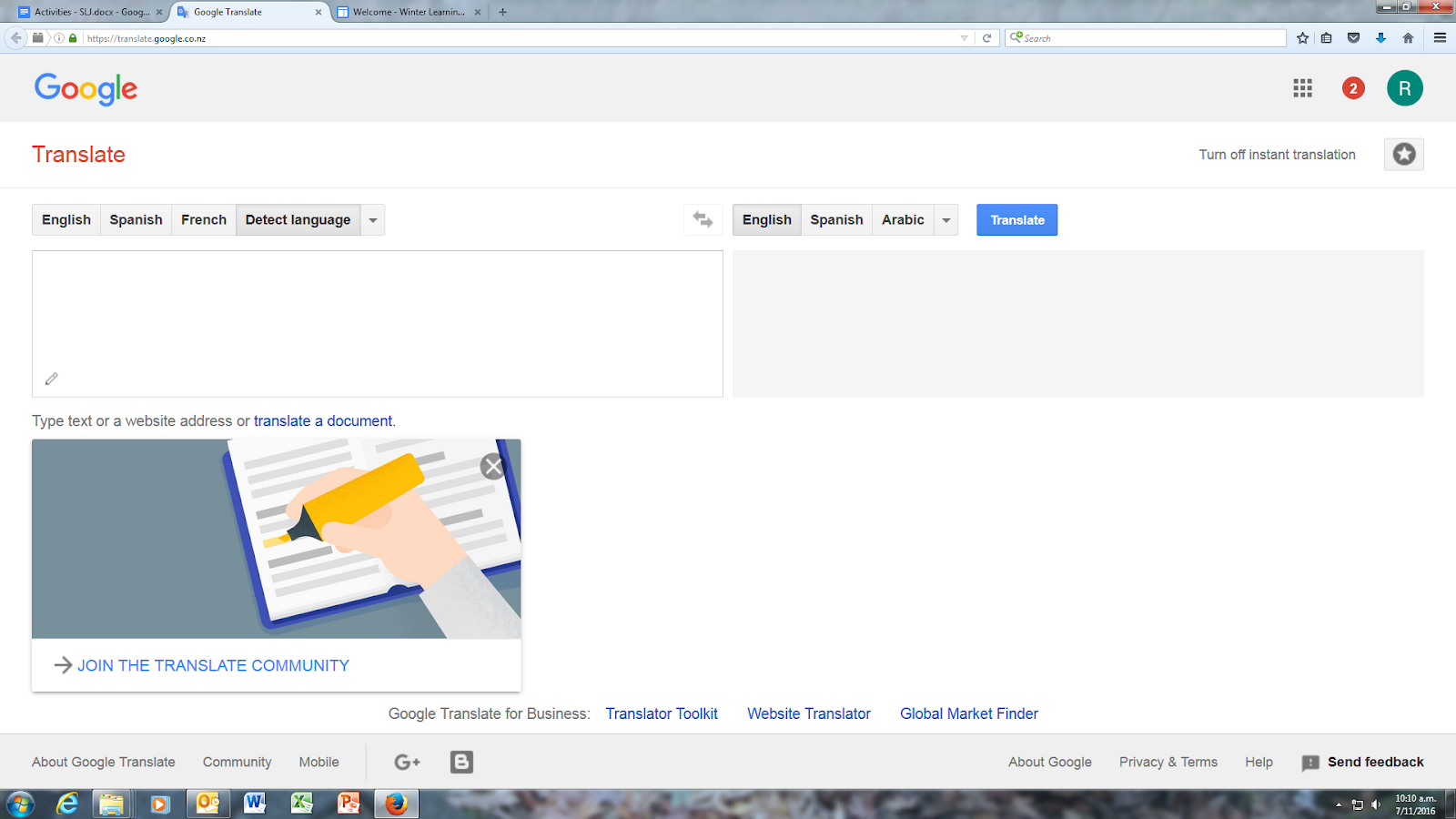
Translate the following five basic travel phrases into Spanish, German, Malaysian, Japanese, Arabic or Afrikaans. Use the Google Translate website to do the translations.
Type the English phrase into the box on the left. Choose the language that you want it translated into on the right and then click the blue ‘Translate’ button. It will translate the English word or phrase into another language. Pretty cool ‘eh?!

Spanish
Good morning = Buenos días Adiós
Good bye = ¿Cuánto cuesta este?
How much does this cost? = ¿Cuándo pasa el próximo autobús?
When is the next bus? = ¿Cuándo pasa el próximo autobús?
Where is the nearest hospital? = ¿Dónde está el hospital más cercano?

German

Good morning = Guten Morgen
Good bye = Auf Wiedersehen
How much does this cost? = Wie viel kostet das?
When is the next bus? = Wann fährt der nächste Bus?
Where is the nearest hospital? = Wo ist das nächste Krankenhaus?

Malaysian

Good morning = Selamat Pagi
Good bye = Selamat tinggal
How much does this cost? = Berapa harga ini?
When is the next bus? = Bilakah bas seterusnya?
Where is the nearest hospital? = Mana hospital yang terdekat?

Japanese

Good morning = おはようございます
Good bye = さようなら
How much does this cost? = この費用はいくらですか?
When is the next bus? = 次のバスはいつですか?

Where is the nearest hospital? = 一番近い病院はどこですか?

Arabic

Good morning = صباح الخير
Good bye = وداعا
How much does this cost? = كم سعر هذا؟
When is the next bus? = متى ستأتي الحافلة القادمة ؟
Where is the nearest hospital? = أين يقع أقرب مستشفى؟
Bonus Activity = 10 points